Printable Planning
Daily Planner Printable: A Routine That Sticks
A simple way to use a daily planner printable without turning it into another thing to keep up with.
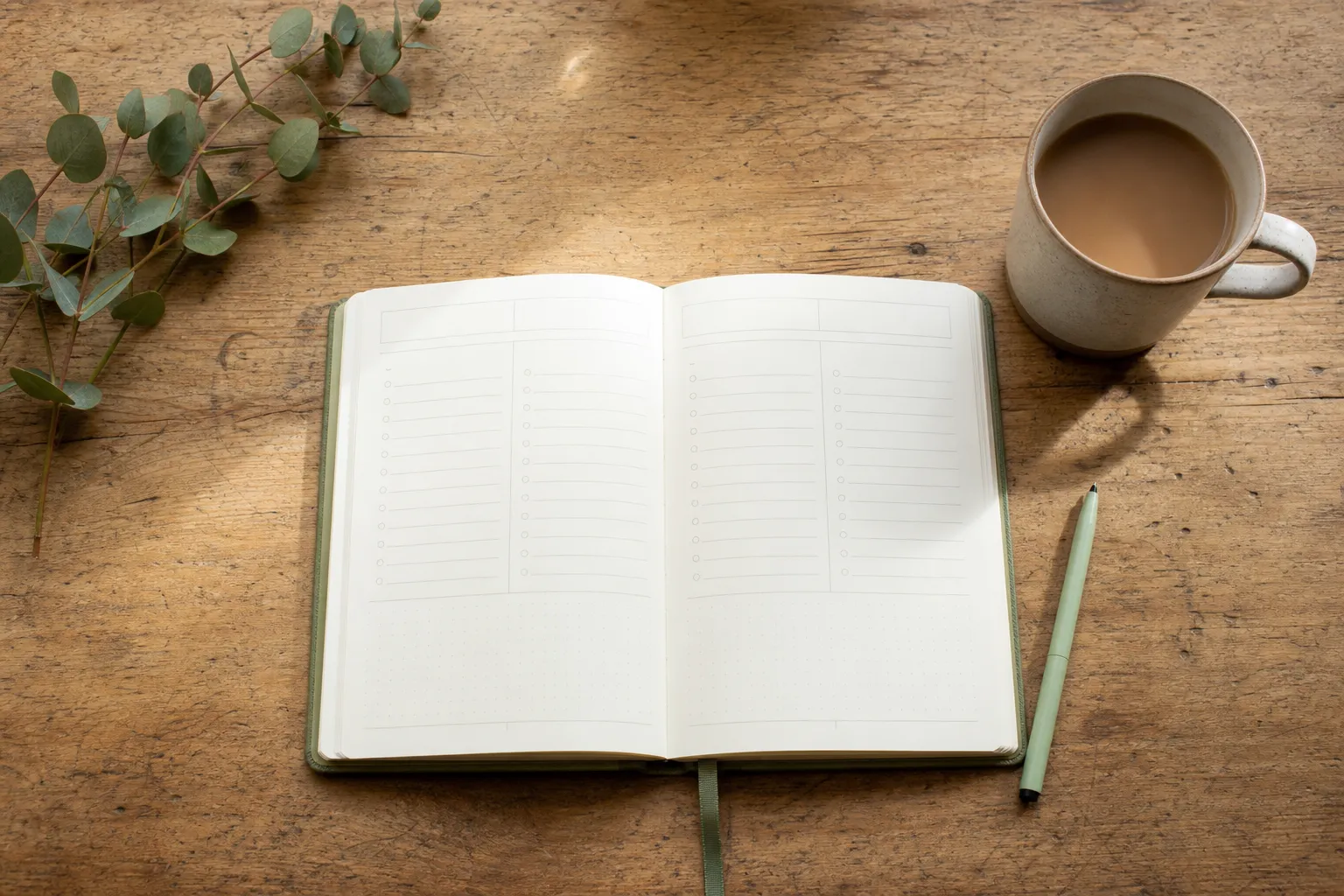
A daily planner printable can be wonderfully simple. It gives your day one quiet landing place before errands, messages, appointments, and everybody else’s needs start asking for your attention. The goal is not to create a beautiful record of every minute. The goal is to make it easier to see what matters today, then give those things a real place to happen.
That is why the best planning routine is the one you can return to on an ordinary Tuesday. It needs to work when breakfast runs late, when the laundry is waiting, when the school calendar changes, and when you do not have the energy for a long reset. This guide walks through a calm, practical way to use a daily planner page so it supports your life instead of becoming one more task.
Start with a page that has room to breathe
A daily planner does not need a dozen sections to be useful. In fact, too many boxes can make a page feel like a test you are already behind on. Choose a printable layout with enough space for the parts of your day you actually need to see: appointments, a short task list, a few notes, and perhaps a spot for meals or a small reminder.
Before you print a stack, try one page for a week. Notice what you reach for. If you keep writing appointments in the margins, you need a clearer schedule section. If your task list takes over the page, you may need less room for notes and more room for priorities. A page should fit the life you have, not the life you imagine having on your most organized day.
For a flexible starting point, browse the Everyday Trackers collection. A simple printable can be used on a clipboard, in a binder, or beside your computer, which makes it easier to keep the plan in sight.
Give tomorrow five quiet minutes tonight
Daily planning works best when it happens before the day is already demanding something from you. An evening check-in can be short: clear yesterday’s page, look at tomorrow’s commitments, and write down the few things that need your attention. Five calm minutes is enough.
Start by writing appointments and fixed commitments first. These are the things that already have a time: a school pickup, a meeting, a doctor’s visit, a practice, or a phone call you promised to make. Once they are on paper, you can see the real shape of the day. This matters because a task list without time in it tends to become a wish list.
Then ask one useful question: what would make tomorrow feel lighter by bedtime? The answer may be practical, such as ordering groceries or returning a form. It may be personal, such as taking a walk or calling your sister. Either way, the planner gives it a place before the day gets noisy.
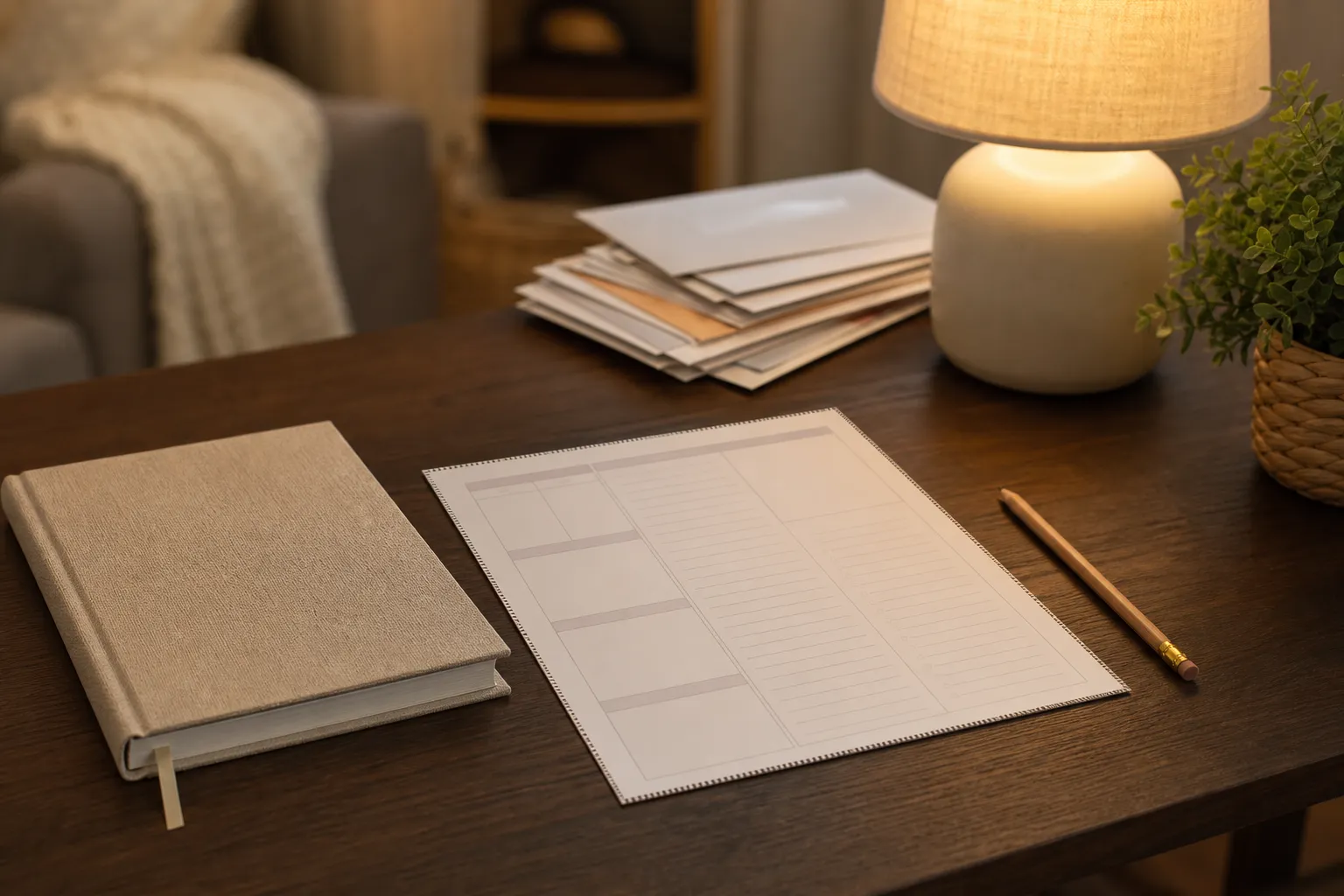
Choose your top three before you list everything else
A long list can make even a manageable day feel impossible. Instead of beginning with every task you could do, choose three things that would make a meaningful difference if they were done. These are not always the biggest tasks. They are the tasks that fit the day you actually have.
Your top three might be one work task, one home task, and one thing that keeps family life moving. For example: finish a school form, start the laundry, and make the dentist appointment. On a busy day, those three are enough. Anything else is a bonus, not evidence that you planned badly.
When you have more to do than time allows, make a separate “later” list. This is where the rest can live without competing for the same small amount of attention. A task that is not on today’s list has not been forgotten. It has simply been given a more honest place.
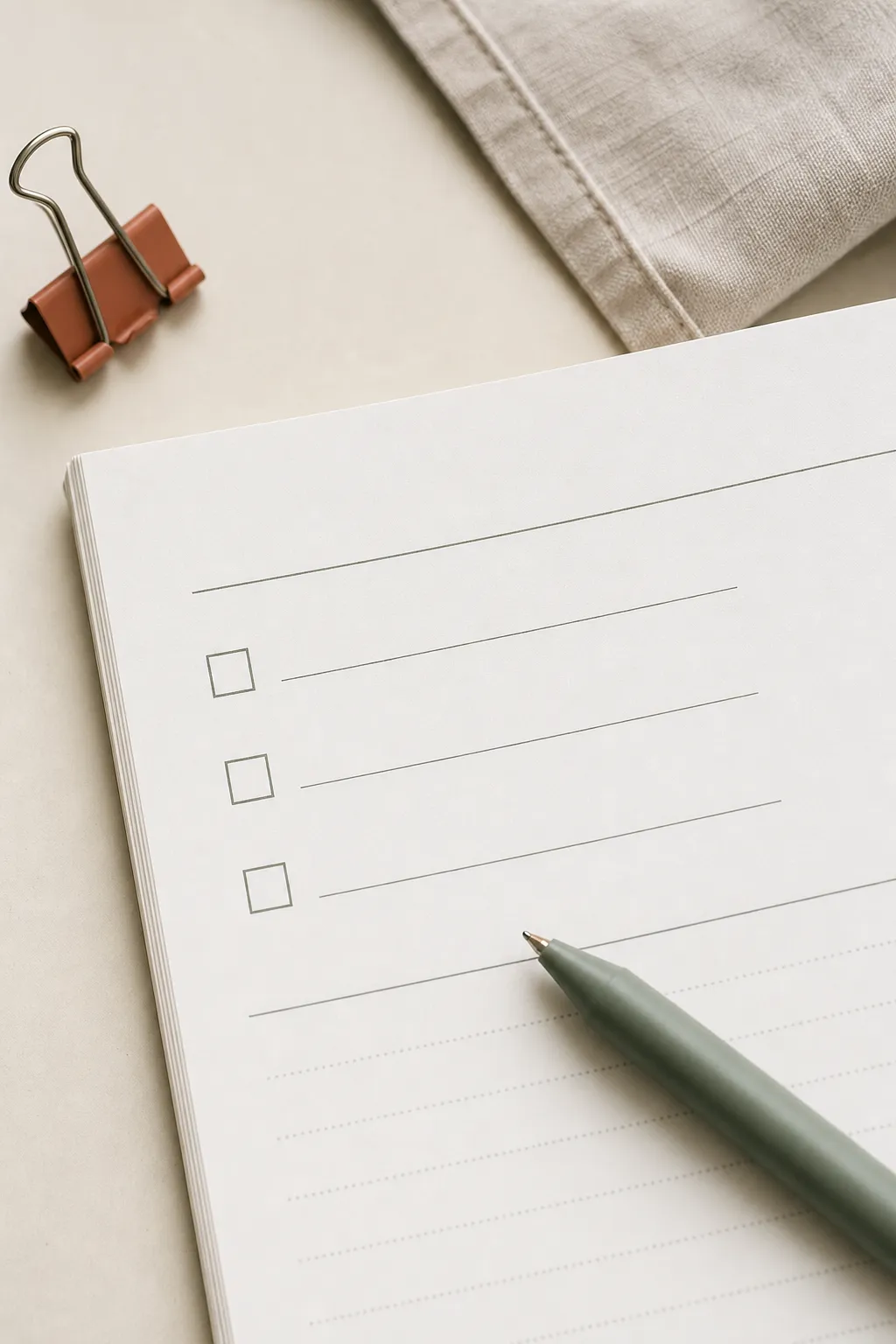
Use time blocks as gentle boundaries
Time blocks are not a strict schedule for every minute. They are a way to protect the parts of the day that tend to disappear. You might block the morning for errands, the first hour after school for snacks and homework, or a small pocket after dinner for clearing the kitchen and looking at tomorrow.
Keep the blocks broad. “Morning,” “after lunch,” and “evening” are often more realistic than a page divided into half-hour slots. Broad blocks leave room for the unexpected while still giving your priorities a home. If a task takes longer than you hoped, move it. Crossing it out is not the only choice.
This is especially helpful when you are trying to make more room for time together. A plan can hold the useful things, but it can also protect a family walk, a game night, or a screen-free hour. The Home & Family pages are made for those everyday rhythms that are easy to want and harder to remember in the middle of a full week.
Keep one small section for the things that usually fall through
Most days have a handful of small responsibilities that are easy to carry in your head and easy to lose there. A quick note section can hold the library book that needs to go back, the name of a teacher to email, the birthday gift to order, or the question you want to ask at an appointment.
Do not try to make this section a second inbox. It is only for things that need a home before you can decide what to do with them. If a note becomes an action, move it to tomorrow’s task list or give it a time. If it does not need action, cross it out when it has served its purpose.
Paper helps here because it is visible. A page sitting where you make coffee or open the mail can catch the small details before they become a late-night scramble. That is not about being perfectly organized. It is about giving your memory a little support.
Plan for real life, including the days that change
A planner should be able to bend. A sick child, a delayed call, a tired afternoon, or an unexpected errand can change the whole day. When that happens, pause and choose again. Look at the top three. Ask which one still matters, which one can move, and which one no longer needs to happen today.
It is helpful to use a simple mark for tasks that move forward, such as an arrow. That keeps the page honest without making it feel like a record of unfinished work. The point of a daily planner is to help you make a next decision, not to prove you completed everything you ever intended to do.
Some people find that a small routine tracker helps them stay connected to the habits that support a steadier day: drinking water, taking medication, moving their body, reading, or getting outside. The tracker options in the shop are useful when you want a gentle visual reminder without filling another app with notifications.
Make the planner easy to reach
The right location is part of the routine. If the planner stays in a drawer, it will probably only come out when life is already hectic. Keep it where planning naturally happens: beside the coffee maker, on your desk, in the kitchen command spot, or tucked into the bag you carry most days.
You do not need a special binder, perfect pens, or a color system to begin. One printed page and one pen are enough. If you enjoy making a planning space feel more personal, add that later. First, build the habit of looking at the page.
A printable planner is particularly forgiving because you can print another page whenever you need one. There is no pressure to preserve every spread. Start again tomorrow. Try a new layout. Use a fresh page after a messy week. Small resets are part of a system that lasts.
Give the week one small reset too
A daily page becomes even more useful when you take a few minutes once a week to look ahead. Choose a quiet moment on Sunday afternoon, Monday morning, or whenever your household naturally resets. Check the calendar, notice school dates and appointments, and ask what needs a little preparation before it becomes urgent.
This is not the time to make a perfect master plan. It is simply a chance to move a few loose ends into a place where you can see them. You might print the next week’s pages, add a birthday reminder, plan one dinner, or choose a day for errands. A small weekly glance makes the daily page feel less like it is starting from scratch.
When the week feels especially full, use the reset to decide what can wait. Leaving space is part of a good plan. A calendar packed to every edge may look organized, but it rarely leaves room for the people and moments you hoped the plan would protect.
Use color only when it makes a decision easier
Color can be helpful, but it is not required. If a few colors help you spot school events, appointments, or family plans at a glance, use them. If switching pens turns planning into a project, skip it. The page should reduce the number of decisions you have to make, not add new ones.
A good middle ground is to keep one color for fixed commitments and use your regular pen for everything else. That makes the shape of the day visible without asking you to keep track of a complicated system. Let the planner be practical first. Any extra beauty is a bonus.
End the day by noticing what worked
Before you prepare the next page, take a short look back. What got done? What needs to move? What can be let go? This is not a performance review. It is a small act of kindness toward tomorrow-you.
Sometimes the win is a finished task. Sometimes it is realizing that you chose the right things, even though the list stayed short. Over time, these little reviews show you where your days are really full and where a different rhythm might help.
If you are trying to make space for reflection as well as responsibilities, Nana’s Faith & Reflection pages can give a quiet corner of the day a place on paper too. A planner can hold a task list and still make room for gratitude, prayer, or a thought worth keeping.
Build a routine you will want to keep
The most useful daily planner printable is not the one with the most sections. It is the one that helps you begin. Start with appointments, choose three priorities, give the small details a place to land, and take five minutes to prepare for tomorrow. That is enough structure to feel supported without losing the flexibility real life requires.
Nana’s Paper Trail creates printable tools for the full, ordinary days that make up family life. Browse the collection of planners, trackers, journals, and home organization pages to find a page that fits the rhythm you want to make a little easier.
Frequently asked questions
What should I put in a daily planner?
Start with appointments, your three most important tasks, and one small home or personal task. Add notes only when they will help you take action. A planner should make the day easier to see, not give you more to maintain.
Should I use a daily planner or a weekly planner?
Use a daily planner when a full day feels busy enough that you need room to decide what happens first. A weekly view is useful for seeing commitments ahead. Many people use a weekly page for the big picture and a daily page for the next right steps.
How do I use a printable planner consistently?
Keep the printable page in one visible place, use it at the same short time each day, and make the first step very small. Planning tomorrow’s top three before bed is enough to build a dependable rhythm.
Related posts

Printable To-Do List: A Simple Way to Start
A simple way to choose what belongs to today and give the rest a place to wait.
Read the guide ↗